Narcissists have an uncanny ability to identify individuals who are likely to tolerate, excuse, and even enable their self-serving and emotionally abusive behaviors. They don’t choose their “victims” randomly; they target individuals who exhibit specific traits and vulnerabilities that can be exploited.
Understanding Your Vulnerabilities
If you’ve been a target of one of these emotional manipulators, part of your healing journey will be identifying and addressing the vulnerabilities that made you susceptible. Strengthening these areas will help you avoid falling into the clutches of another narcissist—or being lured back by a toxic ex attempting to “Hoover” you back into their web.
While it’s tempting to place blame solely on the narcissist, the real power lies in focusing on yourself and the changes you can make to protect your emotional well-being.
Common Traits and Vulnerabilities
Recognizing these traits can help you fortify your defenses against future narcissistic relationships:
1. Empathy: Narcissists are drawn to kind and understanding individuals who are likely to excuse bad behavior.
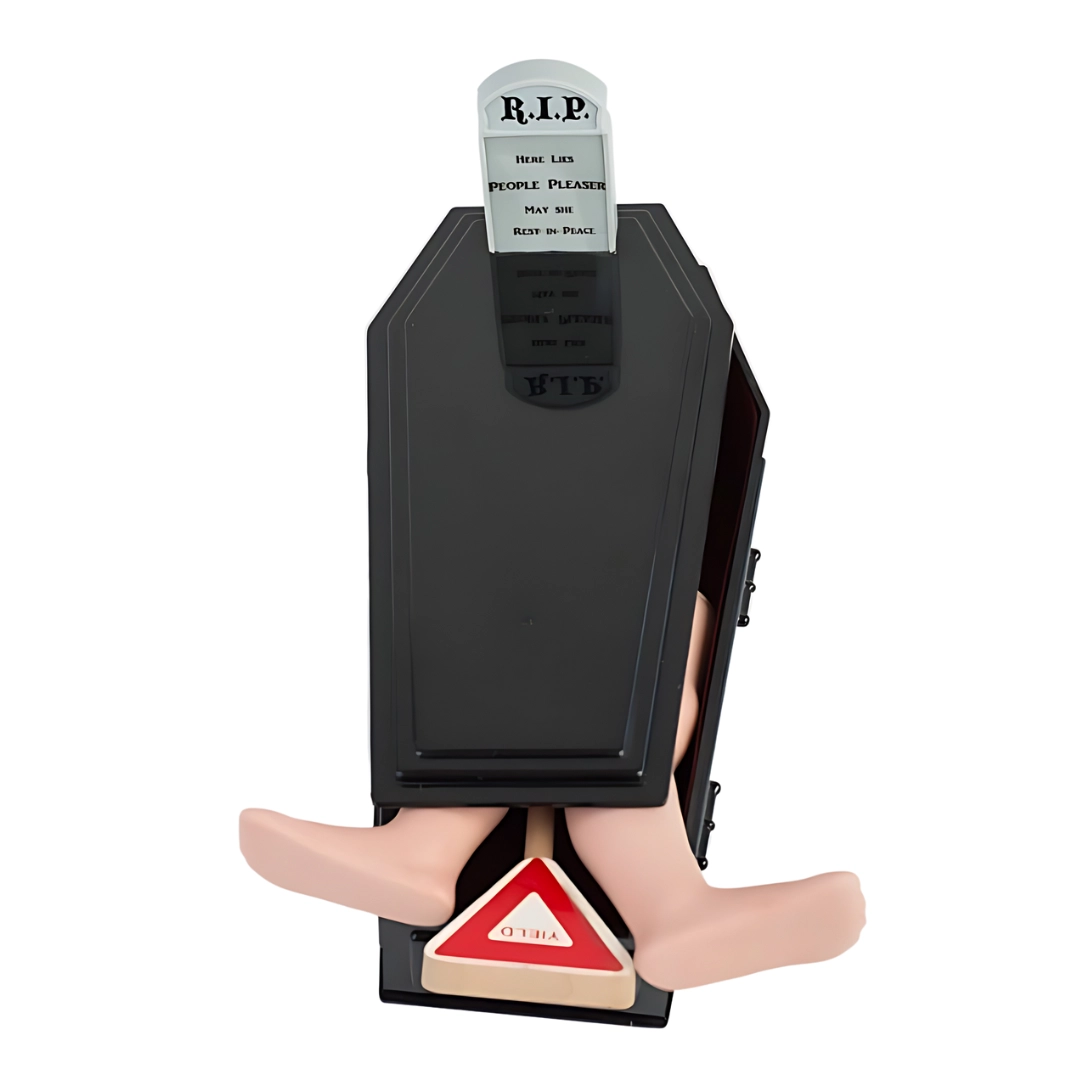
2. People Pleasing: Over-giving and self-sacrificing make you an ideal target for someone who thrives on being served.
3. Lack of Strong Boundaries: Narcissists thrive on crossing boundaries—it’s their way of exerting control.
4. Co-Dependent Tendencies: Those who prioritize others’ needs above their own often attract self-absorbed partners.
5. Poor Self-Esteem and Insecurity: Narcissists exploit insecurities to foster dependency and manipulate their targets.
6. A History of Past Trauma: Unhealed wounds can make it easier to accept poor treatment, reinforcing feelings of unworthiness.
7. Recent Loss or Trauma: Lonely and vulnerable individuals are especially susceptible to narcissists’ love-bombing tactics.
8. Inexperience and Naivety: Lack of awareness about manipulative behavior can lead to blind trust in the wrong person.
9. Loyalty: Cultural or personal beliefs about family and relationships may trap you in toxic dynamics.
10. Success, Talent, or Beauty: Your achievements or attributes can make a narcissist want to associate with you to boost their own image.
The Cycle of Abuse
Narcissistic relationships are rarely all bad. Alternating between kindness and cruelty—known as intermittent reinforcement—keeps you hoping for the good times to return and motivates you to endure the bad. Recognizing this cycle is key to breaking free.
Taking Action
Use this list as a starting point to understand why you may have been targeted by a narcissist. Seek professional support to:
• Build your self-esteem.
• Strengthen your boundaries.
• Develop a firm belief in your own worth.
Self-awareness and personal growth are the most effective tools to protect yourself from manipulation and create healthier relationships. You deserve connections built on mutual respect, trust, and care.
Narcissists don’t target people randomly—they seek individuals with specific traits and vulnerabilities. This blog identifies common qualities that make you susceptible and offers actionable steps to strengthen your defenses. Learn how self-awareness and personal growth can empower you to break free from toxic cycles and build healthier, fulfilling relationships.


